ESP32 Display Modules & Smart HMI Solutions

NoseDisplay ESP32 LCD display modules combine TFT screens, touch control, and wireless connectivity for IoT devices, smart controls, instruments, appliances, and rapid interface development. Integrated ESP32-S3 and ESP32-P4 platforms support Wi-Fi, Bluetooth, GPIO expansion, and responsive graphical interfaces, reducing controller-board design work for embedded HMI and smart control projects.

Available options include capacitive touch, custom cover glass, multiple screen sizes, brightness, enclosure support, and interface adaptation for production projects. Our ESP32 touchscreen display modules and ESP32-S3 LCD development boards support Wi-Fi HMI panels, Bluetooth smart displays, LVGL ESP32 displays, custom ESP32 IoT screens, and low-power ESP32 ePaper integration. We help with display initialization, touch debugging, communication settings, UI framework integration, driver boards, and hardware matching so customers can move from evaluation to a reliable production-ready embedded display solution.

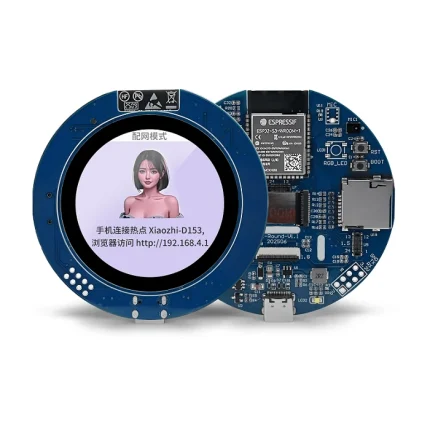
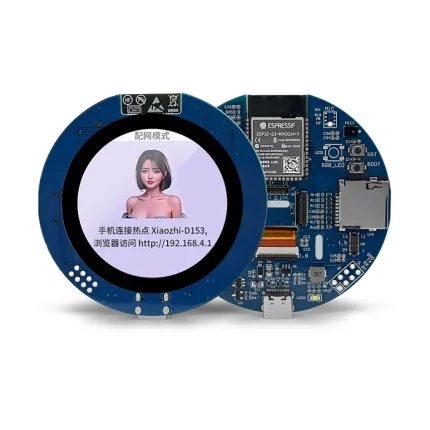
ESP32 smart display module with touch screen front view for IoT and smart home projects

ESP32 Display Modules

ESP32 display modules combine ESP32-S3 or ESP32-P4 platforms with TFT, touch, Wi-Fi/BLE, UART/USB, and optional LVGL support for IoT, smart controls, instruments, and embedded HMI projects. Select by screen size, memory, touch, connectivity, enclosure, and UI requirements. OEM options include custom brightness, cover glass, firmware, interfaces, and matched hardware integration.

ESP32 hardware and software

Need a Custom ESP32 Display?

Share the screen, touch, controller, memory, connectivity, enclosure and LVGL requirements for a matched or customized ESP32 display.

Discuss Your ESP32 Project

ESP32 Displays FAQs

What is an ESP32 Display?

An ESP32 display is a smart display module that integrates an ESP32 or ESP32-S3 controller with a TFT, IPS, or AMOLED screen. It can support WiFi, Bluetooth BLE, touch control, UART/USB communication, LVGL UI development, and optional sensors or audio functions, making it suitable for compact HMI and IoT products.

What is an ESP32 Display used for?

ESP32 displays are used for IoT dashboards, smart home control panels, industrial HMI devices, AI voice interfaces, wearable products, handheld instruments, medical terminals, EV chargers, and embedded development kits that need local visualization and wireless connectivity.

What devices use ESP32 display modules?

ESP32 display modules are commonly used in smart appliances, industrial controllers, automation panels, voice assistant devices, smart thermostats, handheld terminals, development boards, wearable devices, medical equipment, and other connected products that need display, touch, WiFi, BLE, or serial communication.

What interfaces do ESP32 displays support?

Depending on the product design, ESP32 displays can support UART, USB, SPI, QSPI, RGB, GPIO expansion, capacitive touch, rotary knob input, microphone, speaker, sensors, WiFi, and Bluetooth BLE. NoseDisplay can help select or customize the right interface combination for your project.

Engineering selection guide

How to Select ESP32 Display Modules & Smart HMI Solutions

ESP32 display modules combine a color display, microcontroller, wireless connectivity and touch options on an integration-ready platform. NoseDisplay supports ESP32-S3 and application-specific smart HMI hardware for connected controls, compact instruments and IoT devices.

01

Processor & memory

Confirm ESP32-S3, ESP32-P4 or another controller, along with PSRAM, flash and peripheral requirements for the intended GUI and communication workload.

02

Display & touch

Choose TFT or AMOLED size, resolution and viewing performance, then match PCAP touch, rotary input or physical controls to the user interface.

03

Software platform

Review Arduino, ESP-IDF, LVGL and example-code requirements, including display driver, touch controller and board-support package availability.

04

Connectivity

Define Wi-Fi, Bluetooth, USB, UART, I2C, SPI, audio, camera or expansion requirements before fixing the board and connector design.

Typical applications

Where These Displays Are Used

  • Smart-home controls
  • IoT gateways
  • Portable instruments
  • Embedded dashboards
  • Wireless controllers
  • LVGL development platforms

Custom engineering

OEM Integration & Customization

OEM ESP32 work can include custom PCBA, antenna placement, connector and GPIO allocation, display and touch integration, enclosure fit, firmware initialization and LVGL resource support. Rotary products may also appear in the Rotary & Round collection when both customer intents apply.